Tips for Keeping Kids’ Art Organized and Clutter-Free
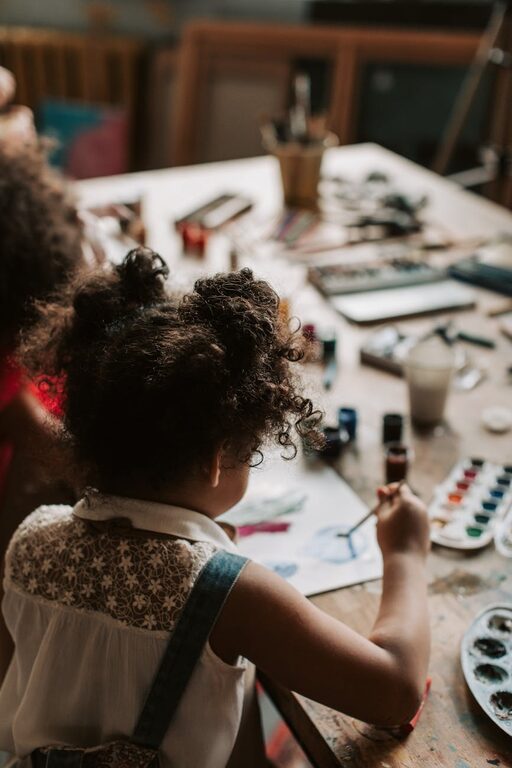
Children’s artwork is a wonderful expression of their creativity and imagination. From finger paintings to school projects, these masterpieces often hold special memories for parents. However, keeping all that artwork in one place can quickly become overwhelming and cluttered. If you’re wondering how to organize your kids’ art without feeling buried under piles of paper, you’re in the right place.
In this post, we’ll share effective tips and ideas to help you manage, store, and honor your little ones’ artistic efforts in a neat and organized way.
Why Organize Kids’ Art?
Before diving into the tips, let’s consider why organizing kids’ artwork is important:
– Reduces Clutter: Art projects can pile up fast, creating mess and stress.
– Preserves Memories: Organized storage helps protect special pieces for years to come.
– Encourages Creativity: When kids see their work displayed or saved neatly, it boosts their confidence.
– Simplifies Cleanup: Easy-to-follow systems make managing new projects stress-free.
Tips for Organizing Kids’ Artwork
1. Establish a Regular Sorting Routine
Make it a habit to sort through new art regularly. Set aside time weekly or monthly to review the collection with your child. This helps decide what to keep, recycle, or gift to family members.
2. Create Dedicated Storage Solutions
Having a designated spot to keep artwork goes a long way. Consider the following options:
– Portfolios: Large, flat folders or expandable portfolios are perfect for keeping drawings and paintings safe and unwrinkled.
– Storage Bins: Clear plastic bins allow you to store three-dimensional projects or bulky items while easily seeing what’s inside.
– Magazine Holders: Great for loose papers or artwork folded in half.
3. Use Digital Archiving
To save space, consider digitizing your children’s art:
– Photos: Take pictures of all their artwork, especially the bulky or large pieces.
– Apps: There are apps specifically designed to help parents organize kids’ art digitally, like Artkive or Keepy.
– Cloud Storage: Upload photos to cloud services for easy access and sharing.
4. Display Art Creatively
Showcasing your child’s art can make your home feel vibrant and encourages your child to keep creating.
– Art Walls: Dedicate a wall or bulletin board in your home for rotating displays.
– Frames: Use simple frames or clipboards to create a gallery effect.
– String and Clips: Hang a string and use clothespins to display artwork for easy swapping.
5. Select Meaningful Pieces for Long-Term Keepsakes
Decide which artworks hold the most sentimental value:
– First drawing
– Seasonal crafts
– Award-winning pieces
– Projects that show progress or milestones
Store these safely in special memory boxes or scrapbooks.
6. Involve Your Child in Decision-Making
Allowing kids to choose their favorite pieces empowers them and teaches organizational skills. It also ensures that what you keep genuinely matters to them.
7. Repurpose Artwork
Turn your child’s art into useful or fun items:
– Greeting cards and gift tags
– Wrapping paper
– Calendars or photo books featuring scans or photos
Repurposing helps use up artwork creatively without letting it pile up.
8. Set Clear Limits
Establish how much artwork you will keep. For example:
– Keep one portfolio or bin per year.
– Limit display space to one wall or board.
These boundaries help manage expectations and control clutter.
Organizing Art by Age or Grade
Separating artwork by age or school grade can make it easier to organize and look back on progress. Use folders or boxes labeled by year or grade. This system is especially useful for digital or physical collections.
Tips for Maintaining the System
– Schedule reminder dates to update storage or displays.
– Regularly weed out pieces that have lost meaning or quality.
– Replace old art on display with new creations to keep things fresh.
Final Thoughts
Organizing your child’s artwork doesn’t have to be a daunting task. With a few simple systems in place, you can cherish their creativity while keeping your home neat and organized. Remember, the goal is to celebrate your child’s imagination in ways that feel manageable for your family.
By sorting regularly, using smart storage solutions, digitizing when possible, and involving your child, you’ll create a welcoming environment that honors creativity and keeps clutter at bay.
Happy organizing!